



The start of a new school year brings excitement, new routines, and a long list of expenses.
Whether you have one child entering elementary school or several preparing for high school, back-to-school costs can add up quickly. Supplies, clothing, technology, activity fees, and transportation expenses often arrive within a short period of time.
The good news is that these expenses are predictable.
With a little planning, families can prepare for the school year without disrupting their broader annual financial goals. Back-to-school budgeting is not about eliminating spending. It is about planning ahead so these annual expenses feel manageable rather than overwhelming.
When people think about back-to-school shopping, they often picture backpacks and notebooks.
In reality, the costs are usually much broader.
Depending on your family's needs, expenses may include:
Looking at the full picture helps create a more realistic budget and reduces the chance of unexpected expenses appearing later.

One reason school expenses feel stressful is that many of them occur at the same time.
Planning even a few months in advance can make a noticeable difference.
Instead of absorbing every expense in August, setting aside smaller amounts throughout the summer can help spread the cost over several months.
Because the school year arrives at roughly the same time every year, it becomes one of the easiest annual expenses to prepare for.
Planning ahead also gives families more flexibility when making purchasing decisions.
Back-to-school season provides a good opportunity to review your overall household budget.
Some summer expenses naturally decrease as vacations end or seasonal activities wind down. At the same time, school-related expenses begin increasing.
Looking at your cash flow can help identify where adjustments may be needed.

Ask yourself:
Are there seasonal expenses ending that can now help cover school costs?
Making these adjustments before the school year begins can help reduce financial stress during an already busy season.

Back-to-school shopping often comes with pressure to buy everything new.
While some purchases are necessary, others may be optional.
Replacing items that truly need updating while continuing to use supplies that are still in good condition can help families stay within their budget.
This approach is not about cutting corners.
It is about making intentional decisions that support your family's priorities.
School expenses are important, but they are only one part of your financial picture.
It can be tempting to reduce retirement contributions or pause other savings goals to cover seasonal costs.
Sometimes temporary adjustments are appropriate, but they should be made thoughtfully rather than out of habit.
Whenever possible, continue making progress toward your long-term financial goals while planning for predictable annual expenses.
Back-to-school budgeting works best when it fits within your overall financial plan instead of competing with it.

Education expenses continue long after August.
Field trips, extracurricular activities, sports, fundraising events, and school programs can create additional costs throughout the year.
Thinking beyond the first few weeks of school can help families prepare for expenses before they arise.
Building some flexibility into your household budget allows you to respond more comfortably when opportunities or unexpected costs appear.
Back-to-school expenses are different from long-term education planning.
Annual school costs focus on today's needs, while education planning considers future goals such as college or other educational opportunities.
Both deserve attention, but they serve different purposes.
Managing annual school expenses effectively can make it easier to continue working toward larger education savings goals over time.

As children get older, back-to-school shopping can become an opportunity to teach financial responsibility.
Setting a spending limit, comparing prices, or discussing priorities can help children better understand budgeting and decision-making.
These conversations do not need to be complicated.
Small lessons learned during everyday purchases can help build healthy financial habits that last well beyond the school years.
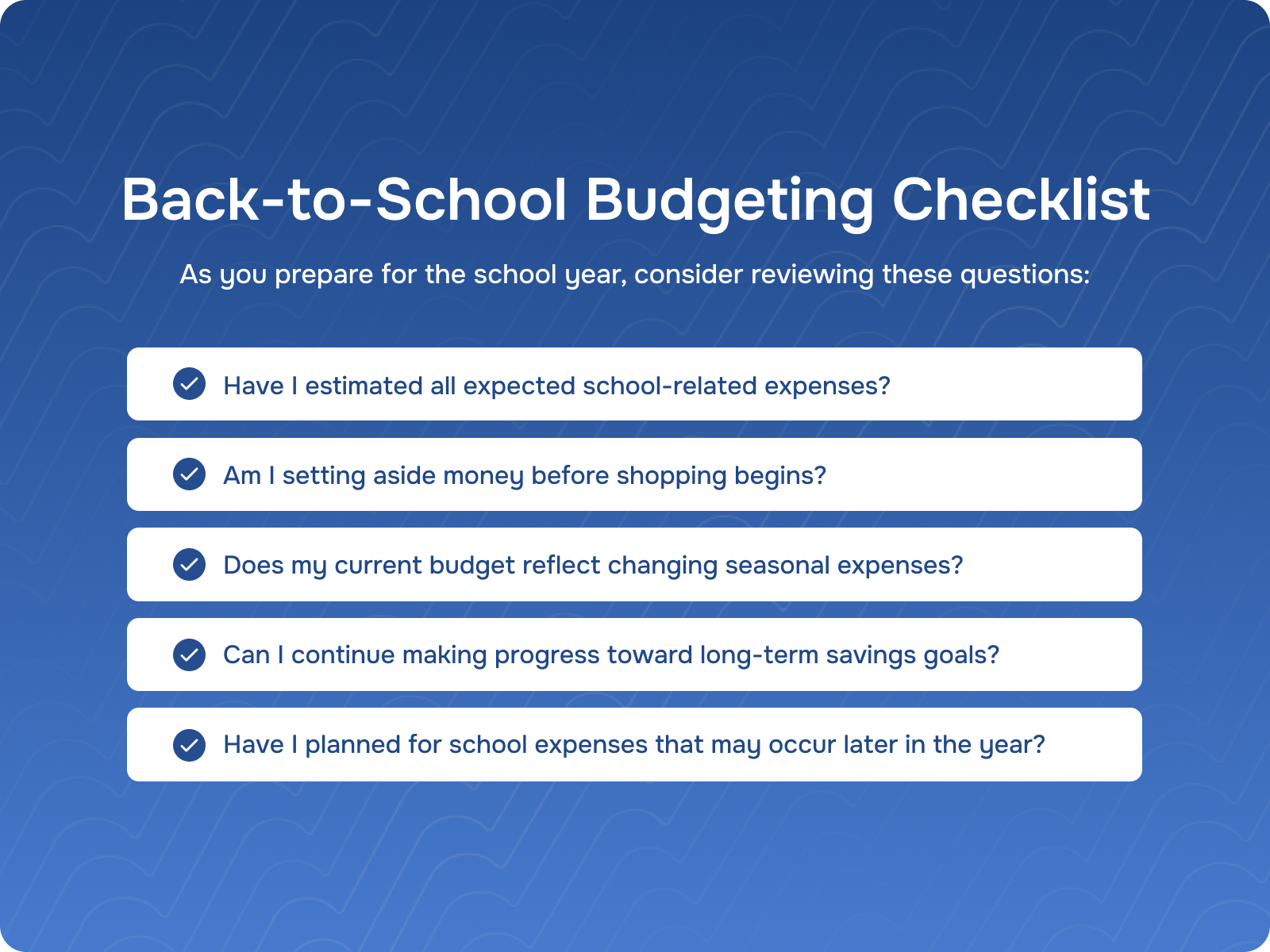
As you prepare for the school year, consider reviewing these questions:
You do not need a perfect budget to prepare successfully.
Having a plan simply helps reduce surprises and makes financial decisions easier.
Back-to-school budgeting is one example of how seasonal expenses fit into a larger financial picture.
A financial advisor can help families evaluate cash flow, savings goals, education planning, retirement planning, and other priorities so they work together over time.
Highland Trust Partners works with individuals and families in Athens, Georgia and across the United States, helping clients build financial plans that support both today's needs and tomorrow's goals.
Back-to-school season arrives every year, making it one of the most predictable financial events for many families.
With thoughtful planning, these expenses can become part of your financial routine instead of an unexpected source of stress.
Preparing ahead, reviewing your budget, and keeping long-term priorities in focus can help you start the school year with greater confidence and peace of mind.
More than 99% customer satisfaction is our success.


The expertise and dedication of this team have been game-changers for our business. Highly recommended! Outstanding service! Their innovative approach helped us achieve measurable success in record time

From start to finish, the team provided unparalleled support. They truly understood our needs and delivered results that surpassed our expectations.

The team at exceeded our expectations with their strategic insights and innovative solutions. Their professionalism and dedication to our success were truly remarkable.

Thanks to Casho, we streamlined our operations and achieved our growth goals. Their hands-on approach and expertise made a real difference for our business

From day one, Casho demonstrated professionalism and a genuine commitment to our success. Their innovative approach helped us reach new heights