



Summer often brings a change in routine. Vacations, camps, travel, dining out, and activities tend to increase spending during this time of year.
For many families and individuals, these seasonal expenses arrive quickly. Even enjoyable plans can create stress when spending feels unstructured or harder to manage.
Planning for summer spending does not mean removing fun from the season. It means approaching expenses with awareness so you can enjoy the months ahead without feeling like your financial progress has stalled.
A few simple steps can help you prepare for seasonal expenses while staying connected to your long-term goals. Small habits can make a big difference.

Summer expenses are often more flexible than regular monthly costs.
Travel plans, entertainment, childcare changes, and spontaneous activities can create spending that varies from week to week. Because many of these expenses are tied to experiences and family time, they can feel harder to track.
This is why budgeting for summer often requires a slightly different mindset.
Instead of trying to eliminate seasonal spending, the goal is to anticipate it and build room for it intentionally.
One of the most effective ways to manage summer spending is to plan ahead before expenses begin stacking up.
Take time to think through upcoming plans and commitments. This may include vacations, children’s activities, weekend trips, sporting events, or home projects.
You do not need exact numbers for everything. Even rough estimates can help create visibility.
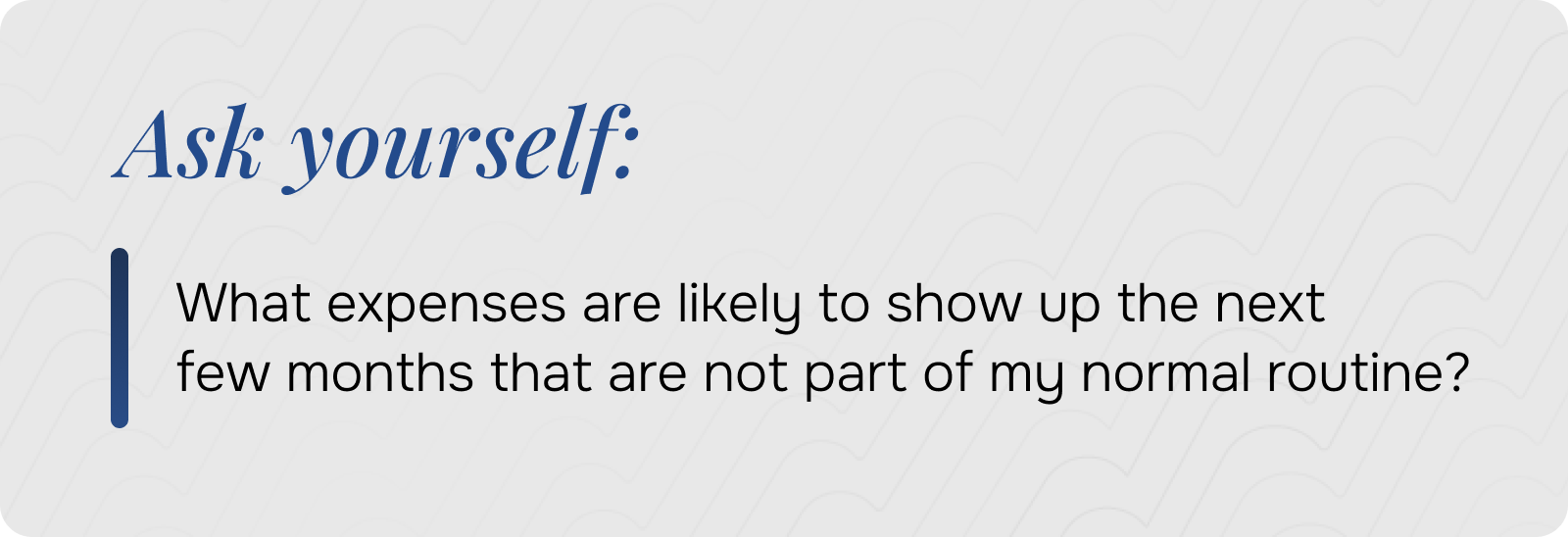
Identifying those costs early can help prevent surprises later.
Summer spending often feels overwhelming because it blends into normal monthly expenses.
Creating a separate category for seasonal expenses can make things easier to track.
When seasonal spending is viewed separately, it becomes easier to understand how much is temporary versus ongoing. It’s also great to compare this spending year over year so you can plan accordingly.
This helps reduce the feeling that your regular budget has suddenly stopped working.

Vacation planning often focuses on major expenses such as flights or hotels. Smaller costs can add up just as quickly. Meals, transportation, activities, and unexpected purchases all contribute to the overall cost of a trip.
Looking at the full picture ahead of time helps create more realistic expectations.
This does not mean every detail must be planned perfectly. It simply creates awareness before spending begins.
Many people find vacations more enjoyable when they feel financially prepared going into them.
Summer schedules for families can become busy quickly.
Camps, sports, childcare programs, and activities often arrive all at once. While each individual expense may seem manageable, together they can create significant seasonal spending.
Reviewing these commitments early allows families to prioritize activities that matter most and plan around them more intentionally.
This process is not about cutting every expense. It is about understanding where money is going and making choices that align with your household priorities.
One of the biggest concerns people have during higher-spending seasons is losing momentum on long-term goals.
Retirement savings, emergency funds, education savings and debt reduction plans can feel harder to maintain during months when discretionary spending increases.
In many cases, consistency matters more than perfection.
Continuing small contributions toward long-term goals, even during busy spending periods, can help maintain progress throughout the year.
Remember: Summer spending does not need to derail your broader financial plan.

Unexpected expenses are common during the summer months. People expect them during the holiday season, but not everyone realizes just how much the summer months can add up.
Building flexibility into your budget helps reduce stress when plans shift.
This may involve setting aside a small buffer for unplanned expenses or leaving extra room in discretionary categories during the summer.
Flexibility supports balance, which is why it’s so important in the context of financial planning for families. It allows you to adapt without feeling like every change disrupts your finances.
Summer can also be a good time to review recurring expenses and subscriptions.
Some monthly services may no longer be necessary or may be used less during the summer months. Which is why it can be a great time to take a pause.
Streaming services, memberships, and recurring purchases can quietly affect cash flow over time. Reviewing these expenses creates an opportunity to simplify spending and improve visibility.
Small adjustments can help free up room for seasonal priorities.
Some people prefer handling seasonal expense planning independently. Others find it helpful to discuss budgeting, savings, or long-term planning with a financial advisor.
A financial professional can help you understand how short-term spending fits into your broader financial picture and identify ways to stay aligned with your goals throughout the year.
Highland Trust Partners works with individuals and families in Athens, Georgia and across the United States, helping them navigate seasonal expenses and long-term planning with clarity and structure.
Summer is meant to be enjoyed. Planning ahead does not take away spontaneity. In many cases, it makes experiences feel less stressful and more manageable.
By anticipating seasonal expenses, staying connected to long-term goals, and building flexibility into your plan, you can enjoy the season without feeling like your financial momentum has disappeared.
Small planning decisions today can help create a more balanced and enjoyable summer.
More than 99% customer satisfaction is our success.


The expertise and dedication of this team have been game-changers for our business. Highly recommended! Outstanding service! Their innovative approach helped us achieve measurable success in record time

From start to finish, the team provided unparalleled support. They truly understood our needs and delivered results that surpassed our expectations.

The team at exceeded our expectations with their strategic insights and innovative solutions. Their professionalism and dedication to our success were truly remarkable.

Thanks to Casho, we streamlined our operations and achieved our growth goals. Their hands-on approach and expertise made a real difference for our business

From day one, Casho demonstrated professionalism and a genuine commitment to our success. Their innovative approach helped us reach new heights