



Working with a financial advisor often raises questions about process, expectations, and involvement. Understanding how the relationship works can help you decide whether professional guidance fits your needs and comfort level.
Let’s make one thing clear: seeking financial guidance is not about handing over total control. It is about building understanding, structure, and confidence around your financial life. Knowing what to expect helps you decide whether professional guidance fits your needs and your comfort level.
If you are considering working with a financial advisor, understanding the process can make the first step feel more approachable.
Here’s what you can expect when working with a financial advisor.
The initial conversation is usually focused on learning, not decision-making. An advisor wants to understand your situation, your concerns, and what prompted you to seek guidance.
You may talk about your goals, your family, your career, and your financial priorities. You may also discuss what has felt challenging or unclear. This conversation helps determine whether the relationship is a good fit.
You are not expected to have everything figured out. Many people come to this first meeting with questions rather than answers.
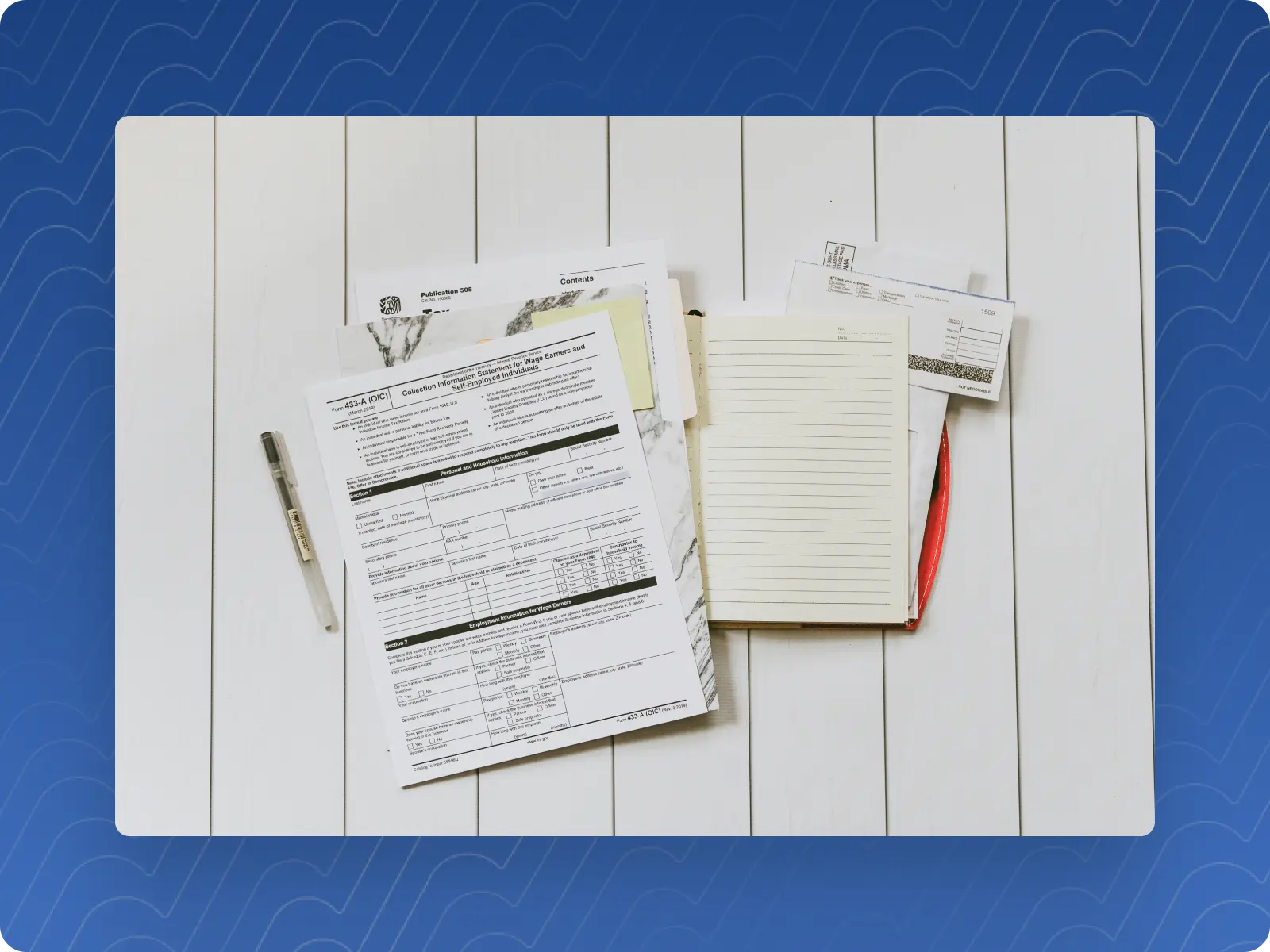
After the first conversation, the next step often involves gathering financial information. This may include account statements, income details, insurance coverage, and other relevant documents.
The purpose is not to judge decisions or highlight mistakes. It is to create a clear picture of where things stand today. Financial planning works best when it is grounded in accurate and complete information.
This step often brings relief. Seeing everything in one place can make your financial life feel more manageable.

Once information is collected, your advisor reviews how different parts of your financial life connect. Income, savings, investments, insurance, and future goals are looked at together rather than in isolation.
This stage often focuses on clarity. You gain a better understanding of how things work today and where potential gaps or overlaps may exist. Many people find value simply in seeing how everything fits together.
At this point, the focus remains educational. The goal is to help you understand your situation before discussing changes.
After reviewing your financial picture, your advisor may outline planning considerations based on your priorities. These conversations are collaborative. You are part of the discussion at every step.
Options may involve savings strategies, risk management, retirement planning, or organizing accounts. Not every conversation leads to immediate action. Sometimes the most helpful outcome is identifying what deserves attention and what can wait.
A good advisory process respects your pace. You decide when and how to move forward.
Working with a financial advisor should be viewed as an ongoing relationship rather than a one-time event. Life changes, goals evolve, and plans may need adjustment over time.
Regular check-ins allow your advisor to stay aligned with your current situation. These reviews may happen annually or during key life events. They help ensure your plan continues to reflect your needs.
This ongoing support provides continuity. You are not starting from scratch each time something changes.

A financial advisor provides guidance, structure, and perspective. You remain the decision-maker. Your role includes sharing information, asking questions, and communicating changes as they arise.
The most effective relationships are built on open communication. When both sides stay engaged, planning conversations tend to feel more productive and less stressful.
You do not need to be an expert. Curiosity and honesty go a long way.
People consider hiring a financial advisor for many reasons. Some want help organizing their finances. Others want clarity during a life transition. Some want a long-term planning relationship.
There is no single reason that applies to everyone. What matters is whether guidance would help you feel more informed and prepared.
Asking for support is not a sign that something is wrong. It is often a step toward better understanding.
Working with a financial advisor is not about quick fixes or guarantees. It is not about pressure or urgency. It is not about being told what to do.
The process is designed to support thoughtful decision-making. It provides a space to ask questions, explore options, and understand trade-offs.
Clarity often builds confidence, even when decisions take time.

Choosing a financial advisor is a personal decision. Fit matters. Communication style, approach, and values all play a role.
Highland Trust Partners works with individuals and families in Athens, Georgia and across the United States. Their approach focuses on understanding each client’s situation and providing guidance that supports long-term planning.
If you are exploring financial guidance, learning what to expect can help you decide whether the process aligns with what you are looking for.
The first step does not require commitment. It starts with a conversation.
Understanding the advisory process helps remove uncertainty. When expectations are clear, the decision to move forward often feels easier.
Working with a financial advisor is about partnership. When you know what to expect, you can approach the process with confidence and clarity.
If you’re ready to have that first conversation, we’d love to hear from you. Fill out our contact form and we’ll get back to you right away.
More than 99% customer satisfaction is our success.


The expertise and dedication of this team have been game-changers for our business. Highly recommended! Outstanding service! Their innovative approach helped us achieve measurable success in record time

From start to finish, the team provided unparalleled support. They truly understood our needs and delivered results that surpassed our expectations.

The team at exceeded our expectations with their strategic insights and innovative solutions. Their professionalism and dedication to our success were truly remarkable.

Thanks to Casho, we streamlined our operations and achieved our growth goals. Their hands-on approach and expertise made a real difference for our business

From day one, Casho demonstrated professionalism and a genuine commitment to our success. Their innovative approach helped us reach new heights